If your idea of a perfect destination includes uncrowded beaches, an exceptional coffee scene, mountains of affordable fresh seafood, and proximity to some of the world’s most spectacular natural wonders, Dong Hoi city should be at the top of your travel radar.
Situated along the central coast of Vietnam, Dong Hoi—the capital of Quang Binh province—is one of the country’s best-kept secrets. While nearby hot spots draw massive crowds, Dong Hoi remains a tranquil oasis for most of the year. It has quietly evolved into a sanctuary for digital nomads, expats, artists, and writers looking for an authentic, peaceful corner of Southeast Asia to create and reflect.
Sun-Drenched & Uncrowded: The Twin Beaches of Nhat Le and Bao Ninh
Many coastal cities in Vietnam have seen their shorelines dominated by dense high-rises. Dong Hoi, however, has retained a remarkably pristine and open waterfront layout. The city is blessed with two distinct, parallel beach experiences separated by the serene Nhat Le River.
Nhat Le Beach
Located just a few minutes from the city center, Nhat Le Beach is famous for its wide stretches of soft white sand, gentle slope, and clear blue water. In the early mornings and late afternoons, you will see locals taking refreshing dips or playing volleyball. During the middle of the day, the beach is entirely empty, offering miles of undisturbed shoreline perfect for deep thought or a quiet stroll.

Bao Ninh Beach
Cross the pristine Vo Nguyen Giap bridge and you will find yourself on the Bao Ninh Peninsula. Bao Ninh Beach feels even more expansive and untouched. Backed by quiet coastal villages and low-key luxury resorts, it offers a dramatic backdrop for watching spectacular sunrises over the East Sea.
The Gateway to Adventure: Proximity to Phong Nha Caves
While Dong Hoi functions as a peaceful base camp, it is also the official launchpad to Phong Nha-Ke Bang National Park, a UNESCO World Heritage site located just 45 kilometers (about 28 miles) inland.
Phong Nha is home to the oldest karst mountains in Asia, dating back over 400 million years, and harbors hundreds of massive cave systems. This includes:
- Hang Son Doong: Officially recognized as the largest cave in the world, a cavern so immense it has its own localized weather system, jungle, and river.
- Paradise Cave (Thien Duong): Renowned for its breathtakingly detailed stalactites and stalagmites stretching across a walkway accessible to everyday travelers.
- Phong Nha Cave: A stunning wet cave explored primarily by traditional wooden dragon boats.
Staying in Dong Hoi allows you to experience these world-class jungle adventures by day, while returning to comfortable city amenities, cooling ocean breezes, and reliable infrastructure by night.

A Paradise for Foodies: Incredible, Budget-Friendly Seafood
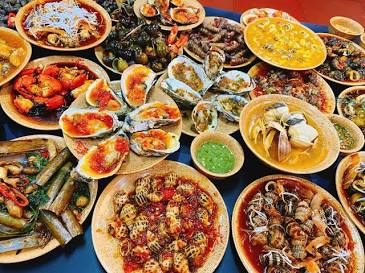
Because Dong Hoi is fundamentally a fishing port, its culinary identity is anchored by the ocean. The stretch of road running alongside Nhat Le Beach and the riverfront is lined with quan—open-air, street-level eateries where the catch of the day is kept alive in oxygenated tanks until you order.
The pricing here is a fraction of what you would pay in tourist-heavy hubs like Da Nang or Nha Trang. Must-try local delicacies include:
- Mực Nháy (Squid): Incredibly fresh squid steamed with ginger and scallions, or grilled over hot charcoal.
- Cháo Hàu (Oyster Porridge): Plump, sweet river oysters sautéed with local spices and served in a comforting bowl of rice porridge.
- Lẩu Cá Khoai (Bombfish Hotpot): A seasonal delicacy featuring a tender, melt-in-your-mouth fish simmered with fresh herbs, tomatoes, and starfruit.

Caffeinated Inspiration: Dong Hoi’s Thriving Coffee Culture
For writers and artists, a town is only as good as its workspaces. Fortunately, Dong Hoi boasts an incredibly robust and diverse coffee culture that easily rivals larger cities.
The city’s cafe scene is split into two delightful styles:
1. Aesthetic, Modern Cafes
Dotted along the riverfront and downtown streets are gorgeous, multi-story specialty coffee houses. Featuring minimalist industrial designs, glass walls overlooking the water, lush indoor gardens, and powerful air conditioning, these spaces offer fast Wi-Fi and the perfect environment to settle in with a laptop or a sketchbook.

2. Traditional Street-Level Cafes
If you prefer to people-watch, the classic street-side cafes offer low plastic chairs spilling out onto the sidewalks under the shade of mature trees. Here, you can sip a rich, slow-dripped Cà phê sữa đá (iced coffee with condensed milk) or sample local favorites like Cà phê muối (salt coffee) for less than a dollar, taking in the slow, rhythmic pace of local life.
Seamlessly Connected: Getting to and Around Dong Hoi
One of Dong Hoi’s greatest strengths is its unexpected accessibility. Despite its quiet, small-town charm, it acts as a major transport hub for central Vietnam, making it incredibly easy to get to.
- By Air: Dong Hoi Airport (VDH) operates regular, short domestic flights directly to and from Hanoi and Ho Chi Minh City.
- By Train: The North-South Railway stops right at Dong Hoi Railway Station, allowing travelers to take scenic sleeper trains from Hue, Da Nang, or Hanoi.
- By Bus: A comprehensive network at the main bus station connects Dong Hoi to all neighboring provinces via comfortable limousine buses or sleeper coaches.
- Local Commuting: The city layout is wide and flat with virtually no traffic jams. Navigating is effortless via widely available ride-hailing apps, metered taxis, private vehicles for hire, or by renting a scooter to zip along the coastal highway.
Why Dong Hoi is the Perfect Sanctuary for Creative Minds
The true magic of Dong Hoi lies in its atmosphere. For the vast majority of the year, the city avoids the overwhelming rush of mass tourism. It moves at a relaxed, peaceful pace.
For international expats, remote creators, novelists, and artists, it strikes a rare balance. You have access to modern conveniences—modern supermarkets, excellent healthcare options, high-speed internet, and flawless transportation—without the chaotic noise, pollution, and high costs of a mega-city. It is a place where you can watch the sunset over a quiet river, eat a world-class meal on a street corner, and find the uninterrupted peace of mind needed to create your next masterpiece.





Leave a comment