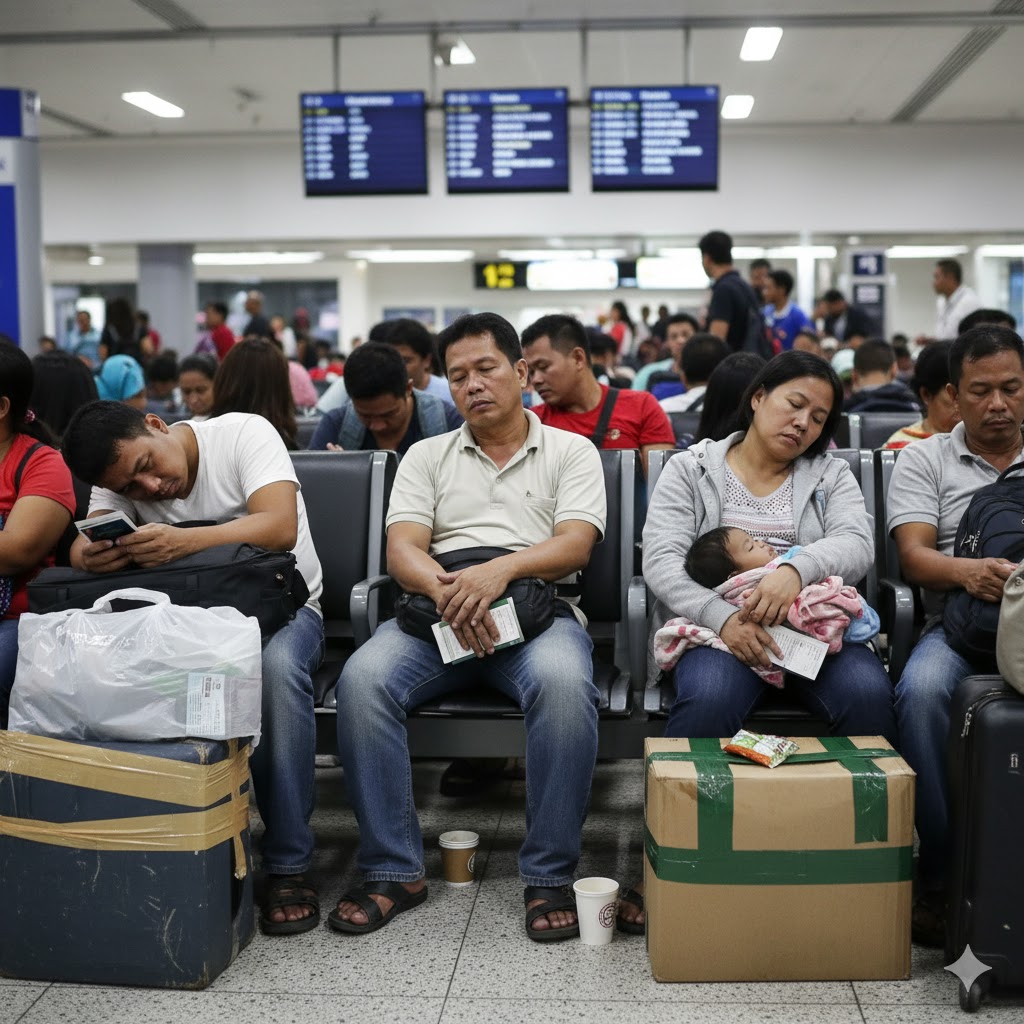
They are the Philippines’ modern-day heroes. Their remittances keep the nation’s economy afloat, funding everything from towering condominiums to simple jeepney rides. Yet, for the nearly 10 million Overseas Filipino Workers (OFWs) around the globe, the title of “hero” comes with an invisible, soul-crushing cost. Beneath the glossy images of foreign skylines and hefty paychecks lies a daily struggle defined by emotional sacrifice, financial pressure, and profound solitude.
The OFW journey is a testament to unwavering love, but it is also a quiet tragedy.
1. The Agony of Absence: Sacrificing Distance from Family
The most immediate and painful sacrifice an OFW makes is the physical distance from their loved ones. They board a plane, driven by the desire to provide a better life, but they leave behind the very life they are working for.
For parents, this means missing the irreplaceable milestones: a child’s first steps, the school graduation, the simple comfort of tucking them into bed. They are reduced to participants in a virtual life, relying on video calls and instant messages to bridge time zones and an ocean of distance. This sustained emotional separation is a profound burden, leading to immense loneliness, homesickness, anxiety, and depression. While they strive to maintain a positive face, the emotional toll of this fractured family life is undeniable, often straining relationships back home and leaving a permanent void. They endure this silent suffering, motivated only by the deepest sense of duty and love for the family that depends on them.
2. The Endless Expectation: “Pasalubong” and the ATM Mentality
The moment an OFW is successful, their identity subtly shifts from a loved one to a walking financial resource. This burden is most acutely felt through the cultural phenomenon of pasalubong (homecoming gifts) and the constant demands for money.
The balikbayan box—that large, cardboard care package—is a symbol of love, but it also becomes a symbol of expectation. OFWs are pressured to fill these boxes not just with simple tokens, but often with luxury goods: the latest gadgets, designer bags, and expensive shoes. Many workers spend months, sometimes years, saving just to fulfill these costly requests, often using their credit cards to manage the expense.
Worse is the “ATM” mentality. Family members, friends, and even distant relatives view the OFW as having an endless supply of money, constantly approaching them for loans, emergency funds, or capital for a new venture—loans that are frequently never repaid. This constant pressure prevents the OFW from saving for their own future, forcing many to extend their contract or return to working abroad shortly after they come home.
3. The Unfair Judgment: The Myth of Easy Money
One of the deepest hurts an OFW experiences is the widespread misconception among local Filipinos that their money is easily acquired. When locals see the remittances flowing, they often fail to grasp the grim reality of life and work abroad.
Earning in dollars, riyals, or dirhams does not automatically equate to wealth. These currencies must contend with the high cost of living in foreign countries. Many OFWs take on tough, dirty, or demanding blue-collar jobs that they are overqualified for, often working multiple shifts or through holidays just to earn enough to send money home and cover their own expenses.
This lack of understanding fosters an entitlement that causes families to adopt a lavish, increased spending lifestyle. They believe the funds will never run out and treat the remittance as a guaranteed windfall, leading to irresponsible spending habits. The tragic irony is that the very people the OFW sacrifices for are often the reason why the OFW remains poor, returning home after years of work with little or no savings.
4. Vultures at the Gate: The Exploitation Upon Returning Home
The financial dangers for an OFW do not end when their contract does; in fact, they often intensify upon their return.
For a visiting OFW, a short break can turn into a period of acute financial vulnerability. They are expected to foot the bill for family parties, extravagant shopping sprees, and a general “one-day millionaire” attitude meant to display success—a pitfall that quickly drains their hard-earned cash. They become prime targets for get-rich-quick scams, often falling for bad investments or poorly planned businesses in their rush to secure their family’s future and retire for good.
For the repatriated OFW—especially those who return due to a lost job or an expired contract—the challenges are dire. They face a job market where their overseas experience is often overlooked, leaving them unemployed and vulnerable. This uncertain homecoming, compounded by a lack of savings due to years of providing for dependents, exposes them to illegal recruiters and predatory loan sharks, trapping them in a cycle of debt and forcing them to seek another contract abroad.
5. The Solitude of the Foreign Land: Difficulties of Life Abroad
Life in a foreign country is anything but a glamorous adventure. It is a grueling test of endurance.
OFWs must navigate profound challenges daily:
- Cultural and Language Barriers: Moving into an unfamiliar social environment means struggling to understand new customs and communicate effectively. Language differences can lead to frustration, isolation, and, in some cases, outright discrimination or unfair treatment in the workplace.
- Abuse and Exploitation: Despite government efforts, many OFWs, particularly domestic workers, are vulnerable to abuse. They endure long working hours, withheld or unpaid salaries, contract substitution, and heartbreaking instances of verbal, physical, and sexual maltreatment from abusive employers.
- Uncertainty and Mental Strain: They live with the constant shadow of uncertainty—the fear of a sudden job loss, visa issues, or political instability that could lead to deportation. This pervasive anxiety, combined with deep homesickness and isolation, contributes significantly to mental health challenges, which are often overlooked or ignored in their host country.
The OFW story is one of profound courage. They sacrifice the warmth of home for the cold, hard currency of necessity. Their true heroism lies not just in the money they send, but in the unseen battles they fight every single day—a struggle for dignity, financial freedom, and the simple right to be seen as more than just a source of income. They deserve not just applause, but genuine understanding, prudent support, and the respect of those they fight so hard to save.

Byron Merano is a teacher currently living in the Socialist Republic of Vietnam. Teaching is his job but music is his profession. Sporadically dabbling in rants posed as journalistic attempts eventually getting ensnared in his own contemplations.






Leave a comment