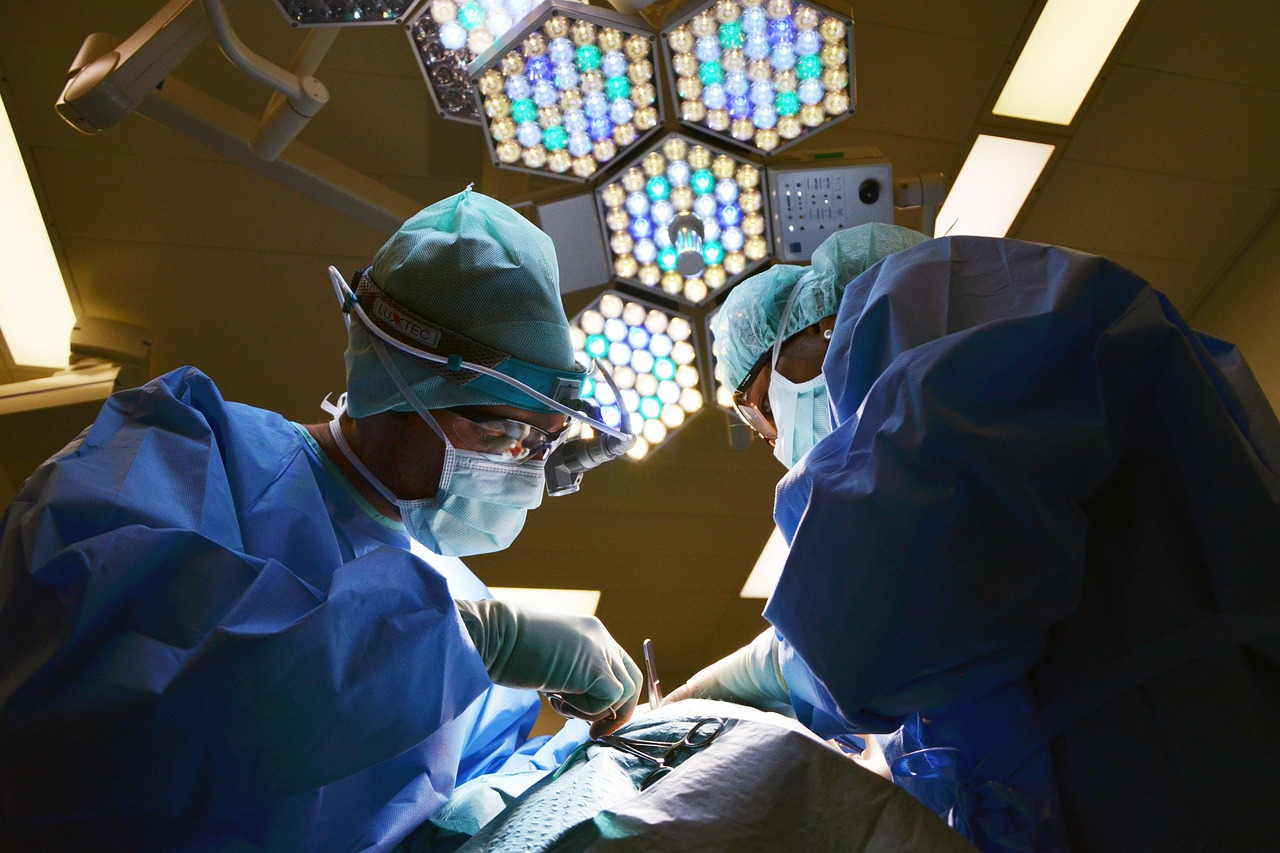
Medicine is always moving forward, constantly offering incredible new ways to fight disease, keep us healthy, and boost our quality of life. But with every giant leap, there are also new questions and challenges we need to face head-on. Let’s dive into some of the latest medical breakthroughs and see both the amazing good they can do and the trickier sides we need to consider.

1. CRISPR Gene Editing: The Ultimate Genetic Fixer?
Imagine being able to correct a typo in our very own instruction manual – our DNA. That’s essentially what CRISPR gene editing allows us to do, and it’s nothing short of revolutionary.
- The Good Stuff:
- Wiping Out Inherited Diseases: This is the big one. CRISPR holds the key to potentially erasing thousands of genetic conditions like cystic fibrosis or sickle cell anemia. Early trials are already showing promise, even tackling HIV!
- Crafting New Treatments: It’s not just about fixing; it’s about building. CRISPR can turn genes on or off, helping us create new medications and supercharge our bodies’ natural defenses against illness.
- Beyond Human Health: The impact stretches to our dinner plates too! Farmers are using CRISPR to grow more resilient and nutritious crops, and it’s even helping us explore lab-grown meat.
- The Tricky Bits:
- Accidental Edits: The biggest worry is that CRISPR might cut or change DNA in the wrong places, leading to unintended health problems or even cancer. It’s like a super-precise editor that sometimes makes a mistake.
- Patchy Results: Especially when used on early embryos, the edits might not take in every cell, making it hard to know if everything worked as planned.
- Big Ethical Questions: This is where things get really deep. If we can edit human genes, where do we draw the line? The idea of “designer babies” brings up huge moral dilemmas, and we need to think about the long-term effects on future generations, plus who gets access to these cutting-edge therapies.
- Still Early Days: We need a lot more time and research to fully understand how safe CRISPR is in the long run.
2. AI in Medicine: Your Smartest Doctor’s Assistant
Artificial intelligence (AI) isn’t just for tech companies anymore; it’s rapidly becoming a game-changer in healthcare, from spotting diseases to designing personalized treatments.
- The Good Stuff:
- Smarter, Faster Diagnoses: AI can look at X-rays or MRIs and often spot problems like cancer or heart disease even before a human eye might, catching things earlier and more accurately.
- Tailored Treatments: Forget one-size-fits-all medicine. AI can crunch your unique genetic data, medical history, and lifestyle to create a treatment plan that’s just for you, leading to better results.
- Turbocharging Research: Imagine finding new drugs or understanding diseases at lightning speed. AI can sift through massive amounts of data, dramatically cutting down the time it takes to develop new therapies.
- Healthcare on the Go: AI-powered smartwatches and virtual doctor visits mean you can get care remotely, making healthcare more accessible and keeping you connected to your health journey.
- Less Admin, More Care: By taking over tedious paperwork and scheduling, AI frees up doctors and nurses to do what they do best: care for patients, potentially even lowering costs.
- The Tricky Bits:
- Privacy Headaches: AI thrives on data, and that means your sensitive medical information. Keeping it safe from hackers and ensuring privacy is a huge challenge.
- Bias in the Bots: AI learns from what it sees. If the data it’s trained on isn’t diverse or has existing biases, the AI could end up treating certain groups unfairly, misdiagnosing them, or even overlooking their needs.
- The “Black Box” Problem: Sometimes, it’s hard to understand why an AI made a certain recommendation. We don’t want doctors blindly following AI without their own critical thinking.
- Integration Pains: Getting new AI systems to play nicely with old hospital tech can be a big, expensive headache.
- Ethical Quandaries: What happens when an AI’s decision conflicts with a patient’s wishes? These are tough ethical waters to navigate.
- Job Worries: As AI takes on more tasks, there’s always the question of how it will impact healthcare jobs.
3. mRNA Technology: The Vaccine Revolution (and Beyond)
The COVID-19 pandemic threw mRNA technology into the spotlight, proving its incredible speed and effectiveness, especially for vaccines.
- The Good Stuff:
- Super-Fast Vaccines: The biggest win here is how quickly mRNA vaccines can be developed. This was a lifesaver during COVID and is a game-changer for future pandemics.
- Highly Effective and Adaptable: These vaccines are not only powerful but also nimble. Their formulas can be quickly tweaked to fight new variants or entirely different viruses.
- A World of Possibilities: It’s not just about infectious diseases. mRNA could be a key player in personalized cancer treatments, tackling genetic disorders, and even fighting autoimmune diseases. Imagine vaccines for HIV or even Parkinson’s!
- A Safe Approach: mRNA vaccines don’t use live viruses and don’t mess with your DNA. The mRNA itself quickly disappears after doing its job.
- The Tricky Bits:
- Need More Time: Because it’s so new on a large scale, we still need more long-term data to fully understand all the potential effects of mRNA technology.
- Fighting Misinformation: Getting people to trust and understand this new tech is vital, especially when there’s so much incorrect information floating around.
- Production Challenges: Making enough mRNA vaccines for everyone in the world is a massive undertaking.
- Rare Side Effects: While very uncommon, some serious (though often temporary) side effects like heart inflammation have been linked to mRNA COVID-19 vaccines.
4. 3D Printing in Medicine: Custom-Made Healthcare
Imagine printing a new bone or a personalized pill just for you. 3D printing is making that a reality in medicine, creating custom devices, realistic models, and even living tissues.
- The Good Stuff:
- Tailored to You: This is huge for personalized medicine. We can print custom implants, prosthetics, and dental devices that fit perfectly, making them more comfortable and effective.
- Instant Gratification: Need a medical part? Print it! This cuts down on waiting times, reduces excess inventory, and is a lifesaver in emergencies.
- Better Surgeries, Better Training: Surgeons can practice complex operations on exact 3D models of a patient’s anatomy, leading to smoother surgeries and providing amazing training tools for new doctors.
- Smarter, Cheaper Production: Often, 3D printing can create medical parts with less waste and at a lower cost than traditional manufacturing.
- Personalized Pills: We can even 3D print medications with specific dosages or combinations, or make pills that are easier for certain patients to swallow.
- The Tricky Bits:
- Playing Catch-Up (Regulation): Since it’s so new, regulators are still figuring out the best ways to ensure these 3D-printed devices and drugs are safe and effective.
- High Upfront Costs: Getting into 3D printing can be a big investment initially.
- Material Limitations: While the options are growing, we’re still somewhat limited in the range of materials that can be safely used for medical 3D printing.
- Legal and Cyber Risks: Who’s responsible if a 3D-printed part goes wrong? And could hackers get their hands on design files to create dangerous counterfeit medicines? These are serious concerns.
- Quality Control: Ensuring every 3D-printed medical product is perfect, every time, is a continuous challenge.
The future of healthcare is incredibly exciting, full of promise for more personalized, precise, and efficient care. But as we embrace these amazing advancements, it’s crucial to keep asking tough questions, ensuring strong regulations, having open ethical discussions, and keeping everyone informed. Only then can we truly harness these medical marvels for the good of all.








Leave a comment